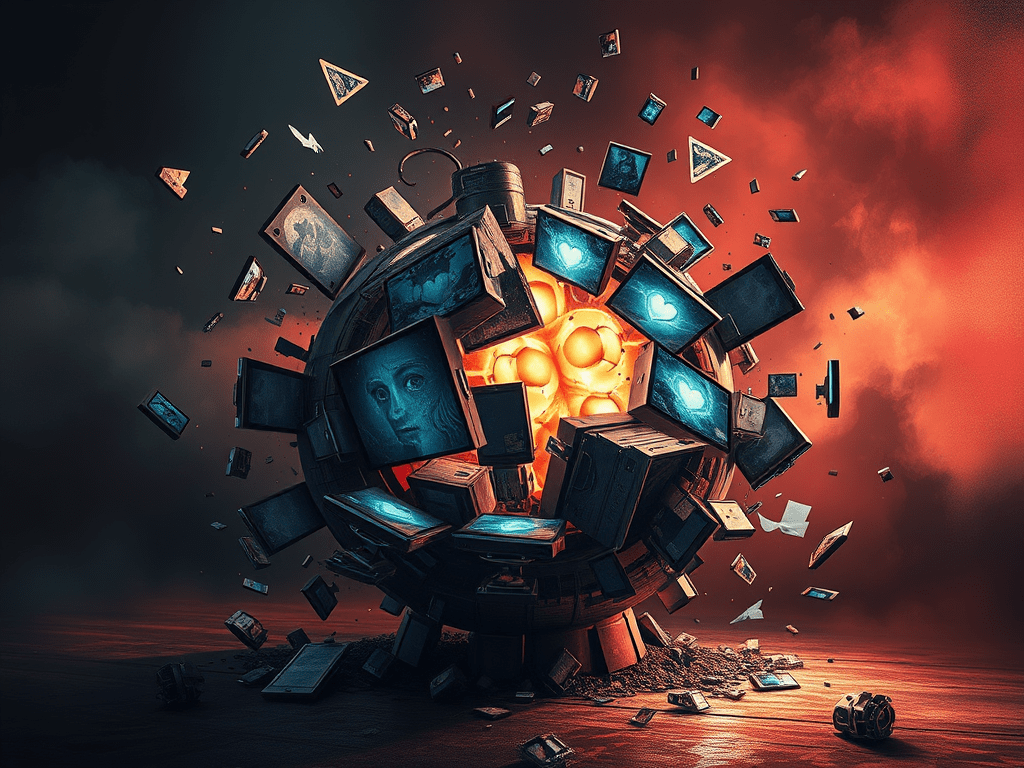
Porn – a spiritual atomic bomb

One of the significant achievements of modern technological advancements is the widespread access to content that, from any traditional or classical perspective, would be considered obscene, pornographic, or spiritually harmful. In the past, there was a socially-approved conduct that individuals had to follow to be part of society, which largely prevented the spread of obscenities and pornography among the masses. While it is true that the enforcement of this behavior sometimes went to extremes, modernity has shattered these norms and swung to the opposite extreme, turning obscenity and pornography into a perceived human right.

Obscene and pornographic content can now be accessed by anyone, including children, on any device, at any time. Pornography is perhaps the most accessed type of content on the internet and has become a major cultural trait of our times. Many view it as a legitimate business and a normal form of leisure. What are some of the effects of this on psychological, spiritual, and social levels?

  • Porn is addictive, and addictions are always detrimental in the long run.
  • Porn gradually changes the way you think, often without you realizing it, and affects how you view yourself, others, and the world around you.
  • Porn often impacts you in very tangible ways: you may become fickle, unstable, nervous, impatient, unreliable, moody, weak, and unable to function both mentally and physically.
  • Consumption of porn leads to other sexual deviations and prevents you from living a normal family life.
  • Porn has negative consequences on your social life and how you interact with family, friends, coworkers, and, in the long term, is a major contributor to failure and disappointment.
  • Porn, along with the string of other sexually deviant behaviors it generates, leads to a decline in birth rates and demographic trends, which can be viewed as a form of collective social suicide. If you can fulfill your sexual desires and fantasies independently, without any real connection or relationship, and without any higher goal attached to it, why would you go through the hassle of starting and maintaining a family and perpetuating the species?

An atomic bomb is known for its destructive power in the physical realm, as it destroys everything within its blast range, and the surroundings remain contaminated for many years to come. Porn has similar effects at the spiritual level and leads to the same kind of destruction at the social level in the long term.

Device addictions and content addictions

Techalcoholism manifests in two forms:

  1. Hardware or Device Addictions: This occurs when an individual becomes addicted to a specific piece of hardware, such as a phone, TV, tablet, or car.
  2. Software or Content Addictions: This involves addiction to specific types of content, including pornography, gaming, social media, movies, or news.

Often, individuals develop a combination of both types. For instance, a person may initially use a phone normally but later become addicted to pornography, leading to a content addiction that eventually results in a device addiction, making it difficult for them to live without the phone.

Generally, overcoming device addictions is easier than content addictions. While a device can be physically discarded, content addiction operates on a psychological level, making it more challenging to address. Since most techalcoholics experience a combination of both, effective therapy must incorporate both hard and soft elements. Hard elements involve reducing or eliminating device usage, while soft elements focus on reducing or eliminating the consumption of addictive content and replacing it with more positive activities.

Effects of techalcoholism

When you encounter someone struggling with alcoholism, you often have a sense of what to expect. Here are some common symptoms associated with a drinking problem:

  • Loss of control: The individual is unable to regulate their drinking habits.
  • Compulsive urges: They experience persistent and overwhelming desires to drink, often to escape reality.
  • Mental health issues: These can include temper tantrums, mood swings, impatience, difficulty concentrating, irrational thoughts, and feelings of hopelessness.
  • Physical health problems: General weakness, reduced strength and flexibility, and various medical issues.
  • Decline in work performance: Their ability to perform at work deteriorates, potentially leading to job loss.
  • Social isolation: They gradually lose friends and family, becoming socially ostracized.

These symptoms are commonly associated with traditional addictions, which are widely recognized by society. However, many people fail to realize that newer forms of addiction, such as “techalcoholism,” exhibit similar symptoms. Consider someone you know who is addicted to their phone, social media, horror movies, pornography, or video games. Depending on the severity of their addiction, they may display many of the same negative psychological and social effects as those with more traditional addictions.

Society has established various institutions and support systems to help individuals with traditional addictions. Yet, there is a noticeable lack of similar resources for those suffering from techalcoholism. I would argue that techalcoholism is one of the most prevalent types of addiction today, and it deserves the same level of attention and support.

Introduction au techalcoolisme

À l’exception de quelques tribus isolées et populations marginales, nous sommes tous plus ou moins dépendants de la technologie. Notre essence en tant que personnes modernes, notre appartenance au monde moderne, est définie par l’utilisation à grande échelle de la technologie, qui nous permet de réaliser des choses qui n’étaient pas possibles auparavant ou l’étaient dans une bien moindre mesure. Cependant, c’est précisément ce caractère essentiel que la technologie a pour la personne moderne, ce sentiment d’être indispensable, qui fait que certains d’entre nous ignorent les risques et dangers qu’un usage imprudent de la technologie entraîne. C’est ainsi que naissent les addictions à la technologie avec tous leurs effets négatifs, c’est ainsi que certains d’entre nous deviennent des techalcoolique.

Natural vs artificial in techalcoholism

Technology creates and brings an artificial layer in our lives. This artificial layer acts as a protective wall between us and the brute forces of nature, but at the same time prevents us from experiencing nature and reality the way they really are. And growth mostly comes from directly experiencing reality. If you’ve lived all your life warming your place through electrical, gas or other means of modern heating technology, you’ve probably never experienced real cold and don’t understand its impact.

Even more so with techalcoholism. A techalcoholic embraces this protective feeling of technology so much that he can no longer do without it. He sees everything through this lens, he does everything through this artificial appendix. We all know people who are completely lost without their phone, or Internet, or their TV set, or favorite slippers, or whatever.

Most people don’t need to give up on technology altogether. Or wouldn’t be able to even if they wanted. A techalcoholic unhappy with his situation can reverse the trend by starting to do more activities which are toward the natural end of the spectrum. If you are socializing only via phone apps, go out and talk to people on the street or in a bar. If you’re addicted to e-games, go and find an engaging physical activity like gardening or do sports. If you spend the whole day inside in front of a computer screen, try to take as many possible breaks to be outside and spend the end of the day being outside or doing some sort of physical activity.

Examples of techalcoholism

Techalcoholism is a kind of addiction (also known as dependence or vice) that is very common these days. In contrast to other kinds of more traditional addictions (alcohol, drugs, smoking, sex, etc.), which are very well known by most people and recognized as damaging to the human being, techalcoholism is fairly new in the addictions market and many are quite clueless to its existence and potential harming effects.

You only need to have a deeper look at yourself and around you to see all kinds of techalcoholism: phone addiction, social media addictions, porn addiction, gaming addiction, different movie genres addiction, news addiction, etc. Techalcoholism is present everywhere and its consequences, just like the consequences of traditional addictions, can also be felt everywhere.